00
33
Turnkey Development: Why Integrating Design, Construction, Materials, and Permits Makes Building Easier and More Affordable
Ana Rios
When thinking about building a home, bringing your vision to life can be far more complex than people think, and it can come along with unnecessary stress.
From hiring architects and contractors to coordinating suppliers and managing permits, the process can quickly become overwhelming, time-consuming, and expensive. Things can become more complicated when too many parties are involved, because staying on the same page as other people working on the same project but in a different area is not easy.
That’s why combining design, construction, materials and permits under one firm, gives the opportunity to developers and homeowners to experience a smoother, faster, and more cost-effective building process.
The Problem with Traditional Development Processes
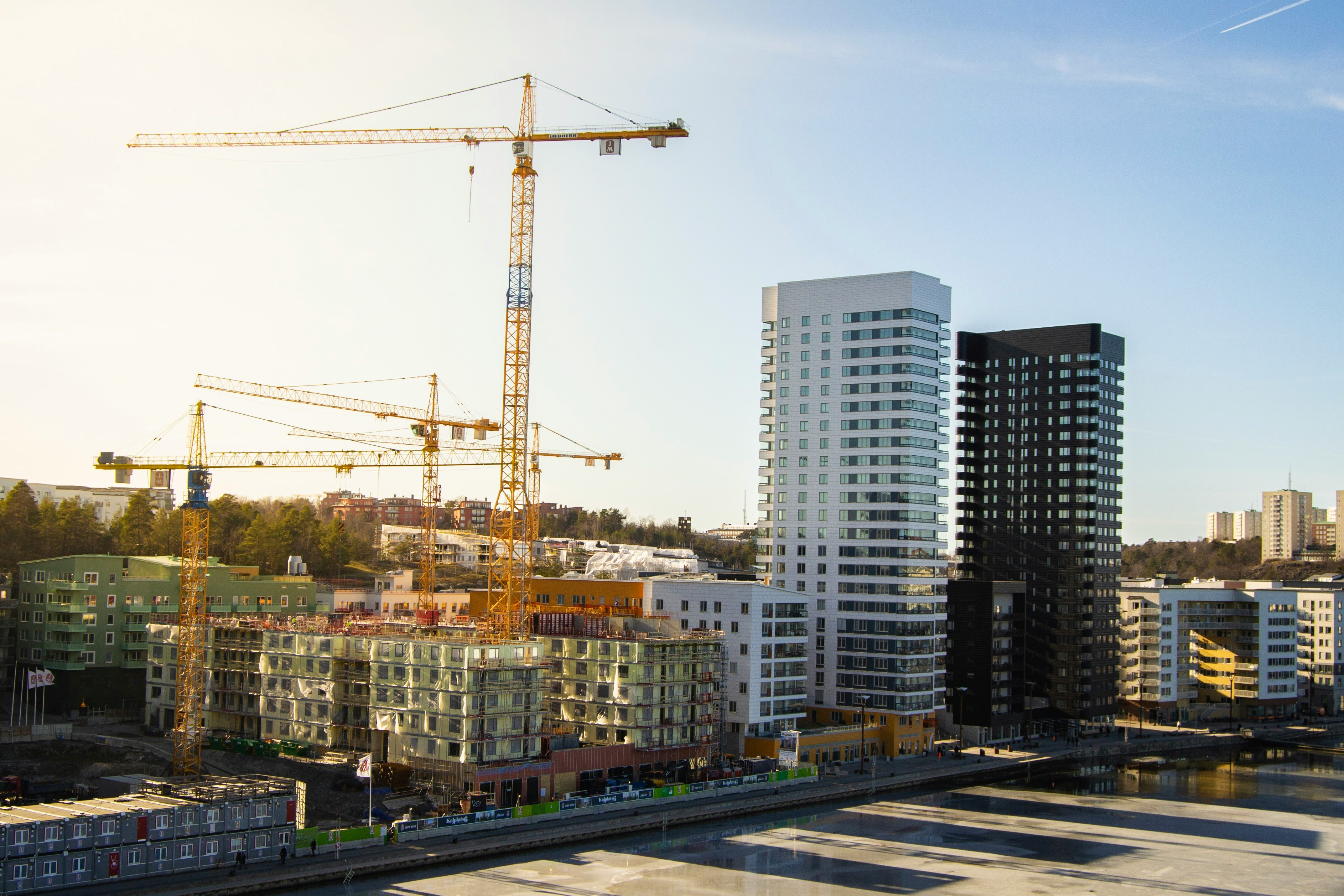
In most traditional construction projects, the development process is divided. Clients are required to hire separate architects, engineers, contractors, and suppliers, each working independently.
While this system may seem flexible at first, it often creates communication gaps, conflicting priorities, and most importantly mistakes that cost time and money. The biggest problems usually are that the design decisions may not align with construction realities, materials may arrive late or differ from specifications, and permit approvals can stall entire projects.
Another big problem factor to consider is how much time is lost. Just imagine all the meetings, mails, calls, and reviews needed with just one area of the whole project. As a result, timelines are extended, budgets increase, and clients are forced to manage multiple teams without having full control over the process. Instead of focusing on the vision, many developers and homeowners find themselves solving daily problems, negotiating responsibilities, and absorbing unexpected expenses.
Why Integrated Development Delivers Better Results
Benefit 1: Cost Efficiency
One of the main advantages of an integrated development model is that the investment can be very much less than with different companies working together. When design, construction, permits and materials are managed by a single firm, unnecessary intermediaries are eliminated.
This integration allows for accurate budgeting from the early stages of the project. Design decisions are made with construction feasibility and material availability in mind, reducing costly redesigns and last-minute changes.
Benefit 2: Time optimization
In construction projects, it is common to have time delays, with a turnkey approach, the processes like waiting for approvals, materials, or design revisions do not happen as often, or at all in some cases, because the team is fully coordinated from the beginning.
Designers, engineers, project managers, and construction teams work under the same structure, allowing information to flow clearly and make decisions more quickly. Instead of sending requests back and forth between independent providers, adjustments and solutions can be discussed and resolved internally.
As a result, projects maintain steady progress and experience fewer idle periods. Clients benefit from clearer timelines, more reliable delivery dates, and a greater sense of confidence throughout the development process.
This workflow allows projects to move forward efficiently, ensuring faster completion without compromising quality, while also reducing financial risks associated with prolonged construction periods.
Benefit 3: Quality control
Integrated development enables higher standards of quality control. When a single firm oversees every stage of the project, accountability becomes clear and consistent.
Material selection, construction methods, and finishing details are aligned with the original design intent. This prevents substitutions, inconsistencies, and technical shortcuts that often occur in multi-provider projects.
Benefit 4: Reduced Client stress
Managing multiple consultants and contractors can be overwhelming for clients. Communication and conflicting responsibilities frequently lead to confusion and frustration.
Under a turnkey firm, clients interact with a single point of contact throughout the entire development process. As a result, clients can focus on their personal or business priorities while trusting that their investment is being professionally managed.

Turnkey Companies
The turnkey development model is widely used across different regions and project scales. International real estate and construction firms such as Binghatti Holding Ltd. or BTT Estudio have adopted integrated approaches that combine design, engineering, construction, and project management under a single structure.


These companies are some of the best examples of how centralized coordination can reduce operational difficulties and improve project predictability and productivity. By limiting fragmentation between teams, they are better able to manage costs, timelines, and technical standards throughout the development process.
In Mexico, several regional firms have also adopted similar models for residential and commercial projects. Companies such as FORMM in Mérida, Yucatan, operate under an integrated plan that combines architectural design, construction services, material management, and permit coordination. This approach reflects how the turnkey model can be adapted to local regulations, climate conditions, and market demands.

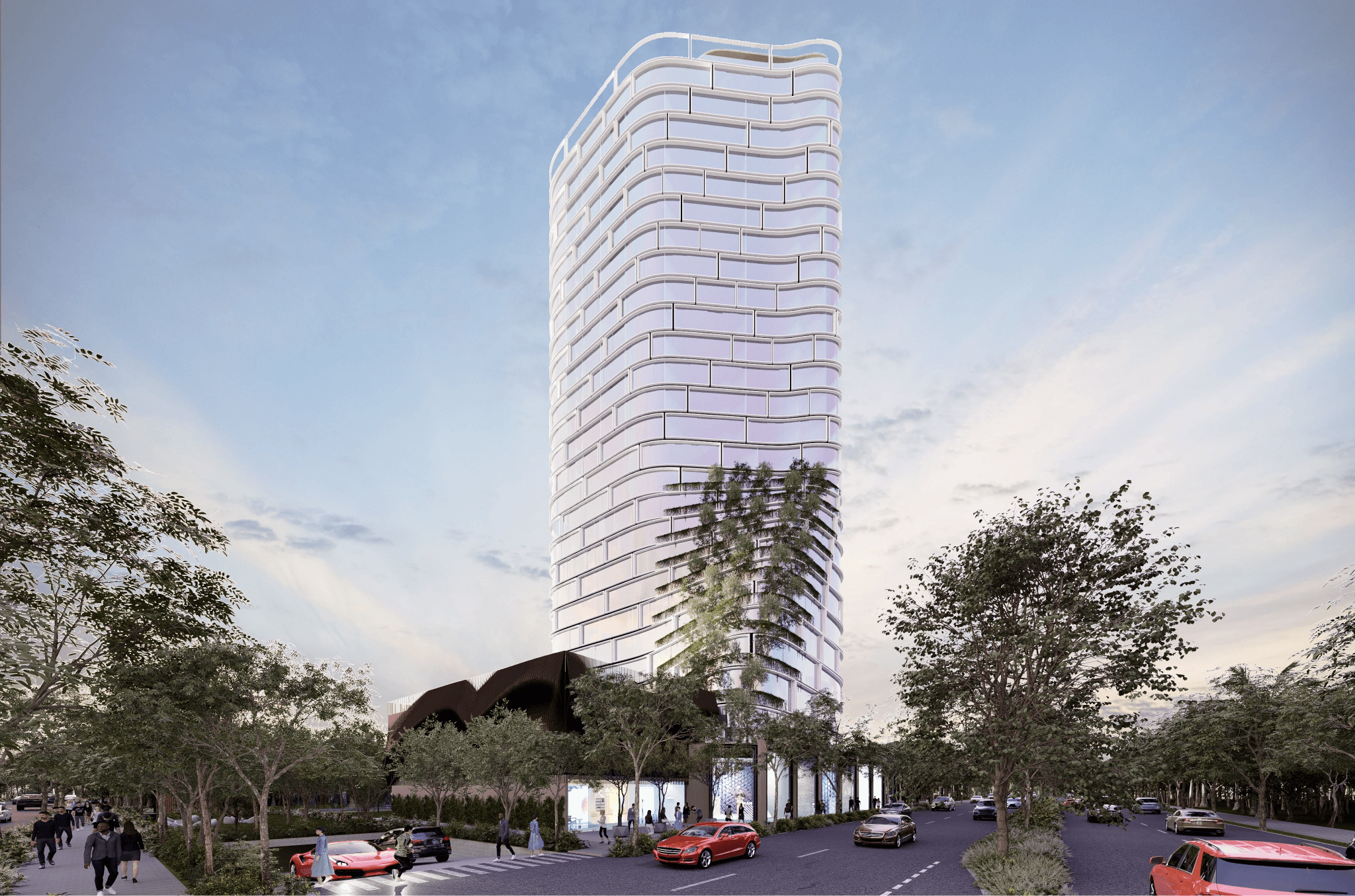
Rather than relying on multiple independent providers, integrated firms aim to streamline decision-making and reduce structural inefficiencies, making turnkey development a practical alternative for many investors and property owners.
The Value of Integrated Development
In conclusion, developing a property involves a wide range of technical, legal, and logistical challenges. When these elements are managed separately, projects will most likely suffer from delays, budget overruns, and coordination issues.
The turnkey development model addresses these challenges by integrating design, construction, materials, and permit management by doing all the different areas themselves. This structure promotes clearer communication, greater accountability, and more efficient use of resources throughout the project lifecycle.
Instead of eliminating complexity, integrated firms aim to manage it systematically. By aligning technical expertise with strategic planning, turnkey solutions offer a more predictable and transparent path from concept to completion.
For developers, investors, and homeowners seeking to reduce uncertainty and improve long-term performance, integrated development represents a practical and increasingly relevant approach in today’s construction environment.